
Opinion
Level Expectations Are Key to Analyzing Pirates’ Prospects (+)

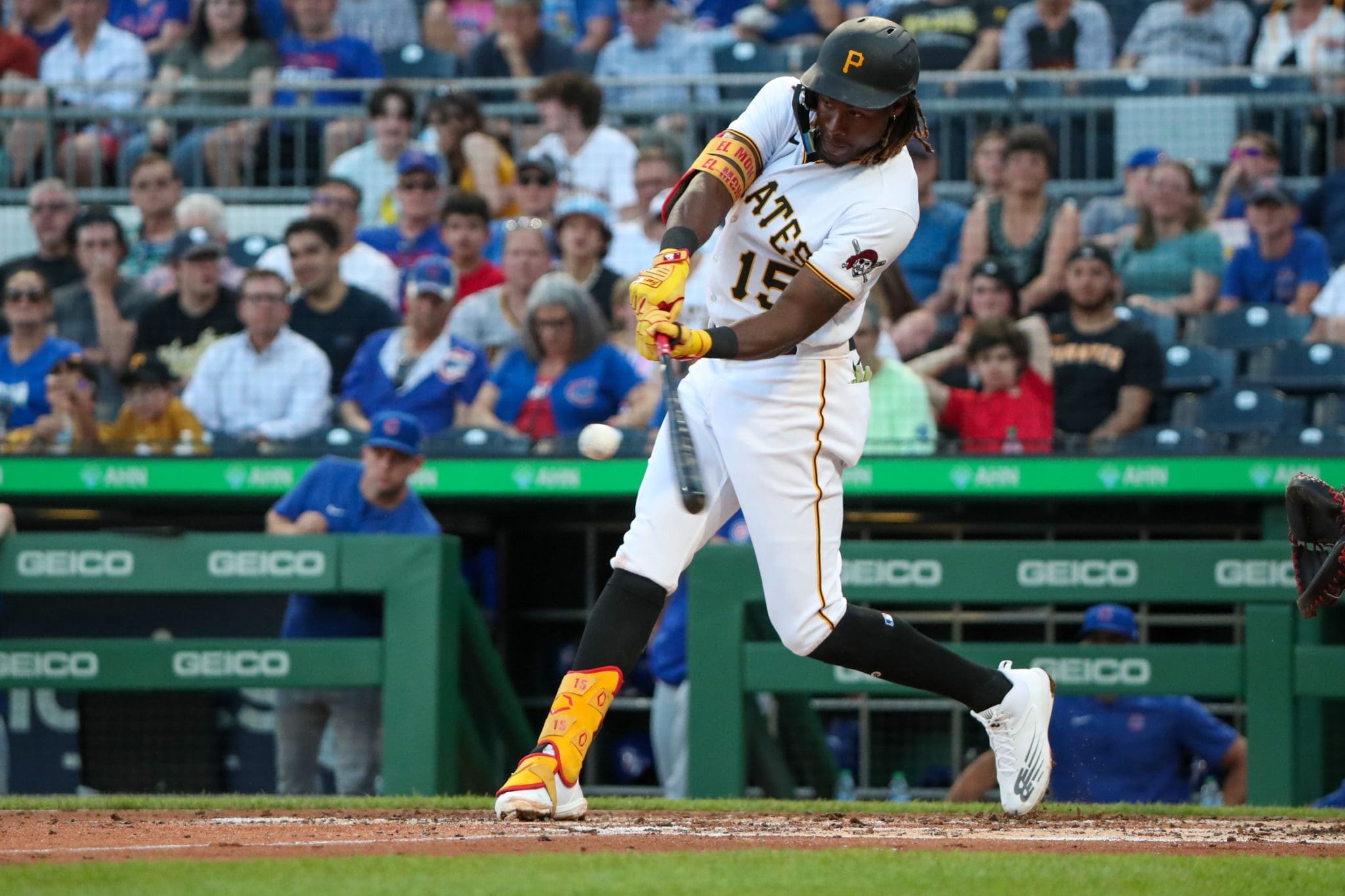
Shortstop Oneil Cruz became an internet sensation during the summer of 2021, thanks to clips of him tattooing doubles at 113 miles an hour off the bat and nailing runners at home plate with rocket throws from the outfield.
In the internet age, it’s possible to track the career of prospects from the draft (or international signing) day until the moment they hit the show. With pages of data on minor league players available with the press of a button, YouTube videos ready to show highlight-reel plays that otherwise would’ve happened in anonymity and a rumbling hype building on social media like a distant tsunami wave as big-name players climb through the minor leagues, the casual fan has a grasp of their team’s prospects like never before.
With that wealth of information comes a drawback. Expectations for young players have been turned completely upside down as every moment of their athletic careers goes under the microscope.
As the Pirates continue to rebuild their entire organization through the draft, it’s crucial to keep reasonable expectations. That’s not to say one should embrace mediocrity and blindly excuse poor play: merely that not every player is a future Hall of Famer. In the same breath, not every error a player makes means they’re destined to be DFA’d.



Bryan Reynolds’ Homer Not Enough for Pirates in 3-2 Loss to Brewers

Pirates Unveil Wiz Khalifa Yinzerpalooza Bobblehead

Pirates GM Ben Cherington Talks Paul Skenes Development

Pirates Preview: Josh Fleming Gets Start Opposite Bryse Wilson

Perrotto: Bailey Falter Rapidly Becoming a Different Pitcher

What Will Pirates Do Once Yasmani Grandal Returns?

Perrotto: Jim Leyland Has His Thoughts on 2024 Pirates

Pirates Prospect Profile: One Way Enough for Bubba Chandler

Aroldis Chapman Receives Two Game Suspension For Actions Vs Mets

Pirates GM Ben Cherington Discusses Team’s Slump, Top Young Pitchers, Catchers and More

WATCH: Newest Pirates Prospect Termarr Johnson Showcases His Ability

Pirates Postgame Show: History Made in The Worst Way

Pirates Postgame: The Good News Is Cruz

Mike’d Up: Oneil Cruz Igniting Excitement Around Pirates